
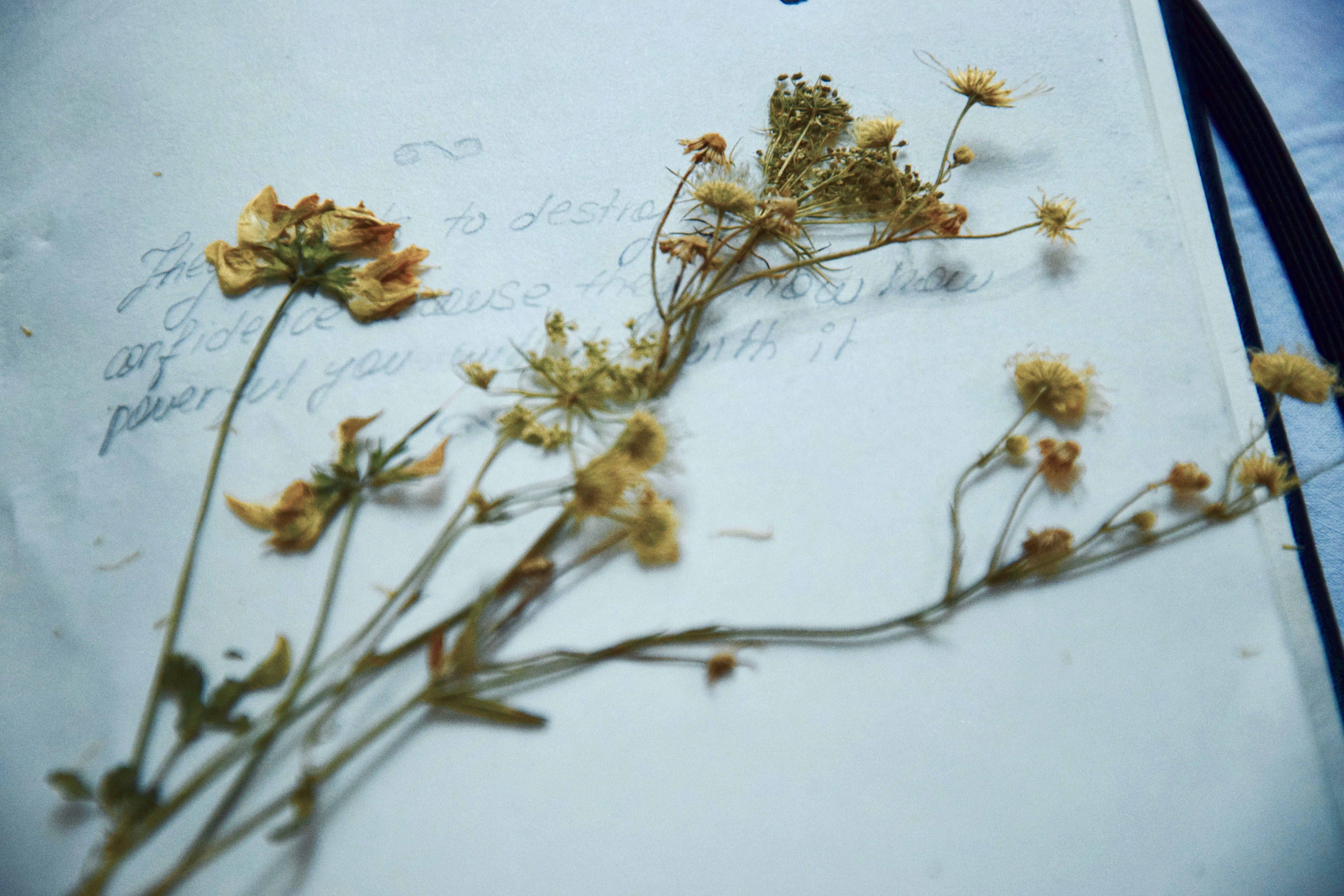
Keeping flowers from a bouquet, celebration, or meaningful occasion offers a way to preserve memories beyond the short life of a fresh arrangement. A dried bloom can become a keepsake, display piece, or part of a handmade project, carrying the colours and associations of the original event. However, preserving flowers in Singapore requires more planning than simply hanging a bunch upside down. The local environment is warm throughout the year, and humidity remains high, including indoors unless air conditioning or dehumidification is used. These conditions affect how quickly petals and stems release their moisture, which is central to drying successfully.
During air drying, moisture in the air can slow evaporation, leaving flowers damp for longer than expected. Blooms may wilt, bend, or lose their original shape before they are fully dry, while prolonged dampness can encourage mould. Air drying is still a practical option for sturdy varieties, such as roses or lavender, especially when flowers are hung in a dark, dry, well-ventilated place with space between stems. Yet in humid conditions the process often takes longer, and petals may flatten or fade as they shrink. The method can therefore produce a more rustic result, rather than preserving the rounded form and detail of a fresh bloom.
Silica gel offers an alternative for flowers that need to retain more of their natural shape. This desiccant draws moisture from petals more quickly than air drying, helping blooms dry before prolonged exposure to humid air leads to damage. Flowers are typically surrounded by the crystals in a sealed container, where they can dry with less pressure than when hung or pressed. The outcome is not guaranteed: variety, freshness at the start, and careful handling all influence the result. Some colour change is normal, so preserved flowers may look different from the original bouquet even when the process goes well.
Successful flower preservation begins with choosing blooms in good condition. Select flowers that feel fresh and have petals that are dry to the touch, with no bruising, discoloration, or signs of mould. In Singapore’s humid climate, inspect the petals and spaces between them carefully, since moisture can encourage mould during drying. Roses, carnations, chrysanthemums, and other sturdy varieties are often practical choices because their petals tend to hold their shape. Delicate flowers can also be preserved, but their thin petals may require more careful handling and may not dry as reliably. If possible, begin soon after receiving the bouquet, while the flowers are still fresh, rather than waiting until they wilt.
Gather the materials before you start so the blooms are not left waiting while you prepare. You will need a clean, airtight container large enough to hold the flowers without crushing them, floral-preservation silica gel, scissors or pruning shears, and a small, soft brush for removing grains after drying. Gloves are optional, but may be useful if you prefer to avoid direct contact with the silica gel. Choose a container that closes securely and has enough depth for the flowers to be covered by the drying medium. Check that it is completely dry inside before use.
Set up in a cool, dry indoor space, away from direct sunlight, cooking steam, and other sources of heat or moisture. Humidity in the air can affect both fresh flowers and silica gel, so keep the materials exposed for only as long as needed. Make sure your hands, tools, container, and flower surfaces are dry before placing the blooms in the gel. Follow the silica gel manufacturer’s handling directions, including any precautions, and consult its instructions for reactivation or reuse. Do not assume that all products are handled in the same way. A careful selection and a dry, organised workspace make the next steps easier and help reduce the risk of mould or damaged petals.
Silica gel is a practical choice for preserving flowers in Singapore because it absorbs moisture while helping blooms retain their shape. Before starting, choose a clean, completely dry, airtight container large enough to hold the flowers without pressing them against the sides. Work indoors, away from open windows and damp areas, to limit exposure to humid air.
Trim each stem to a manageable length for the container. Remove leaves that would sit beneath the drying material, since trapped foliage can retain moisture and encourage decay. Gently blot visible water from the flower with a soft tissue or cloth, taking care not to crush or rub the petals. Blooms should be dry on the surface before they are placed in the gel.
Pour a shallow layer of silica gel into the bottom of the container. Set each bloom upright or face-up, depending on its shape and the form you want to preserve. Then sift more gel slowly over and between the petals, using a spoon or your fingers to guide it into gaps. Continue until the flower is supported and fully covered. Avoid tipping or pouring gel forcefully, as pressure can bend petals or flatten delicate details.
Seal the container and leave it undisturbed in a dry indoor location. Drying time varies according to the flower type, bloom size, and product being used, so there is no single timing that suits every arrangement. Follow the silica gel packaging guidance and check carefully when appropriate, opening the container briefly and gently rather than repeatedly disturbing the flowers.
When the petals feel dry and papery, lift the bloom out slowly, supporting it at the base or stem. Brush away remaining granules with a soft brush. If the petals still feel soft or damp, return the flower to the gel for additional drying time. Crushed petals often mean the gel was added too roughly. Mould risk rises when flowers or containers are damp, or when blooms remain exposed to Singapore’s humid air. Keep dried flowers in a dry, protected place to help maintain their appearance.
Once the flowers are fully dry, remove them carefully and allow them to settle in a clean, dry room before arranging or storing them. This gives any remaining moisture time to disperse and helps avoid trapping dampness around the petals. Handle each bloom gently, since dried petals and stems can become brittle. If flowers feel soft, cool, or damp, give them additional drying time rather than sealing them away. A stable, dry environment is especially important in Singapore, where humid air can affect preserved blooms even after the main drying process is complete.
For display, choose a spot away from direct sunlight, which can fade colours over time, and keep arrangements clear of humidity, steam, and water. Avoid placing dried flowers in bathrooms or near kitchen sinks, kettles, and cooking areas, where moisture and heat can fluctuate. A closed display case offers a practical barrier against dust and humid air. For longer-term storage, use an airtight container and include a suitable moisture-control product, following its instructions and keeping it from direct contact with delicate petals when advised. Check the container periodically for signs of condensation or softening, and move the flowers to a drier location if needed.
Air drying remains a simple, accessible choice for sturdy flowers, particularly when a naturally relaxed shape is acceptable. However, Singapore’s humidity can make air drying less predictable: flowers may take longer to dry, and petals or stems may change shape if moisture lingers. Silica-gel preservation can help support the blooms’ form by drawing moisture away during drying, though careful handling and adequate drying time remain essential. If you would like to try this method, explore our silica gel, formulated or selected for floral preservation. Before use, read the product instructions for coverage, drying guidance, and safe handling, and check whether the gel can be reused and how to prepare it for another project. Following the stated directions can help you plan the process and protect your finished flowers.